

Life is better in Grenada
Explore
01 /01
Video
/ WHY GRENADA /
Grenada known as the
Spice Isle of the Caribbean
Infrastructure
Supporting modern living and investment through reliable utilities, communications, healthcare, and transportation networks.
Quality of Life
A unique blend of natural beauty, cultural richness, recreation, and a relaxed island lifestyle.
Safety
A stable and welcoming environment that offers comfort and confidence for residents and visitors alike.
Location
Ideally positioned in the southern Caribbean with strong international connectivity and global appeal.
Grenada offers a distinctive blend of natural beauty, cultural richness, and unspoiled charm. Nestled in the southeastern Caribbean Sea, Grenada boasts lush rainforests, cascading waterfalls, and over 40 pristine beaches including the world-renowned Grand Anse Beach.
The History and Culture of Grenada: A Fascinating Journey shines a bright light onto Grenada’s cultural depth and authenticity with its description of St. George’s, Grenada’s capital city, as a “vibrant capital” that is the “cultural and commercial heartbeat” of a “tranquil island paradise”.
Please Note
You’re now being redirected to an external website
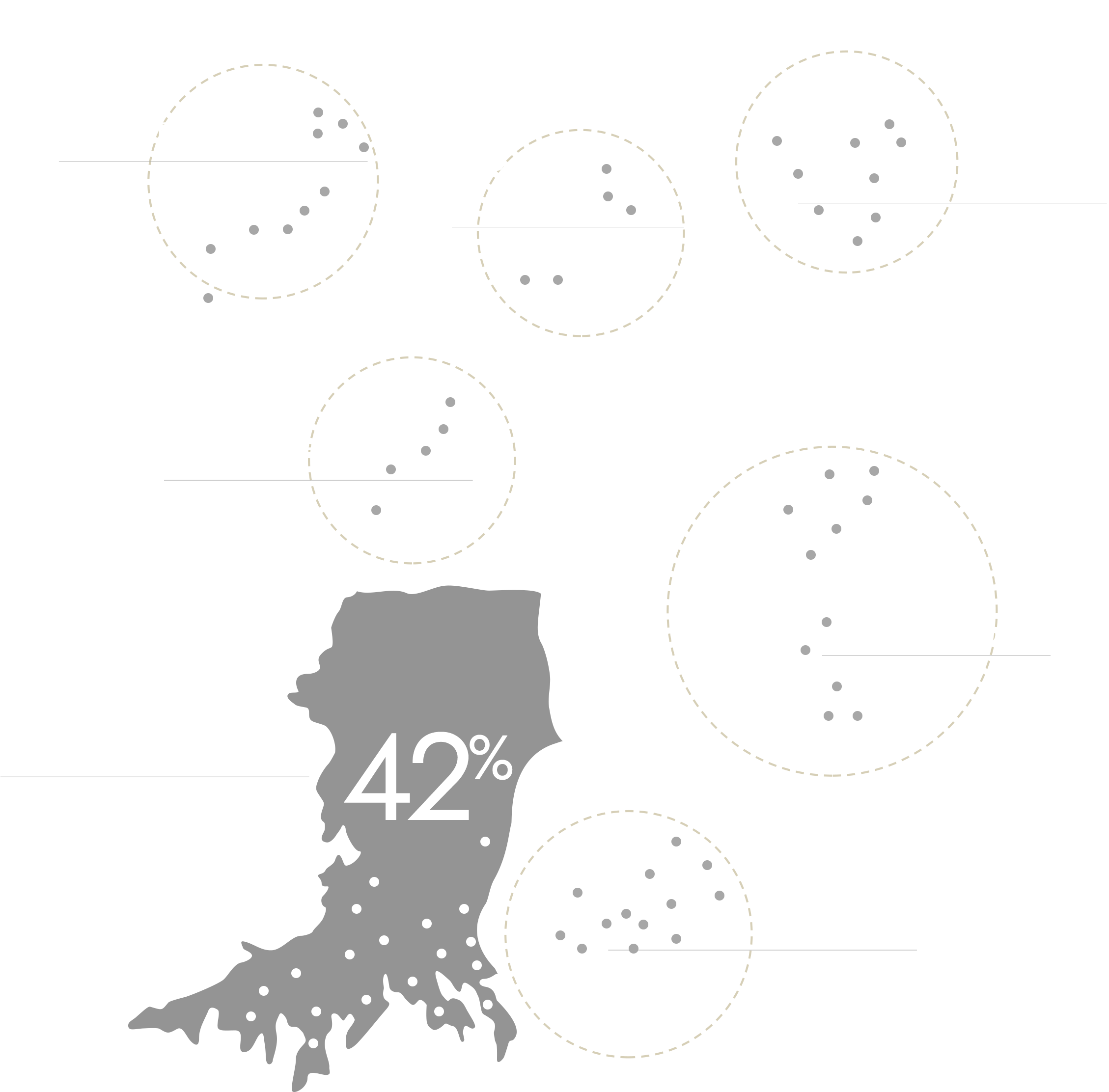
Places to Live
St. George
St. George’s is Grenada’s vibrant Capital. It is nestled in a stunning horseshoe bay on Grenada’s southwest coast. It’s deep natural, sheltered harbour serves as the nations primary port. It is 20 minutes from Grenada’s international airports and just 6 minutes from Grenada’s famous Grand Anse beach.
St. David
St. David’s is a laidback coastal parish on the south-eastern side of Grenada. It is locally known as “The Virgin Parish”. Its nick name underscores its unspoiled coastal charm accentuated by rocky headlands, sheltered bays and secluded beaches.
St. Andrew
St. Andrew’s is Grenada’s administrative division in the northeast and home of Grenville, the island’s second largest town. The area blends Atlantic coastlines with inland cocoa estates and nature lovers dream spots like Grand Etang heights, Mt. Carmel Falls and Meadow Lake wetlands.
St. Patrick
St. Patrick’s is known for its dramatic coastline and natural wonders. These include stunning bays like Bathway Beach, volcanic sites like Lake Antoine and Punchbowl and Levera National Park. In St. Patrick’s volcanic lakes sparkle and cocoa estates thrive. Explore Carib history, vibrant fiestas and serene historical churches.
St. Mark
St. Mark’s is home to Mt. St Catherine – the highest peak in Grenada at 840 meters (2,756 feet). The tallest waterfall – Tufton Hall, at 25 meters, is also located in St. Mark. It blends indigenous history, agricultural heritage and natural beauty. It is often called the “Sunset Parish” because of its stunning daily coastal sunsets.
St. John
St. John’s is Grenada’s vibrant west coast hub. It sits between St George and St Mark parishes. Its lively energy has earned it the name “Action City”. Its capital city is Gouyave. St. John’s is the location of the world’s largest Nutmeg Processing Station and inland gems like Concord Falls and Dougaldston Estate.
Carriacou and Petite Martinique
Carriacou and Petite Martinique are Grenada’s reef-kissed sisters in the southern Grenadines. With their varied regattas, Piton trails, maroon feasts, pristine beaches and unspoiled nature, they offer a tranquil escape from the main island.
/ GRENADA ECONOMICS /
Tourism is a major sector, contributing significantly to GDP. Visitors are attracted to Grenada's beaches, rainforests, and historic sites.
Economic Growth: Prior to the COVID-19 pandemic, Grenada experienced moderate economic growth, which was affected by global economic conditions and the pandemic’s impact on tourism.
The government has been working on diversifying the economy by focusing on sectors like technology, health, education and energy.
Grenada’s economy relies heavily on agriculture, particularly the production of nutmeg. The country is one of the world’s largest exporters of nutmeg and is often called the “Spice Isle”.
Please Note
You're now being redirected to the Government of Grenada - Ministry of Finance website
Key Economic Indicators 2024
USD 1.4 B
GDP (Nominal) Inflation (CPI)
Gross Domestic Product
3.3%
Real GDP Growth
USD 11.9K
GDP Per Capita
Reflecting a modest standard of living

1.09%
Inflation
Main Sectors of the Economy
Agriculture (nutmeg, cocoa, bananas): ~10-15% of GDP